Saltwater or Chlorine — Which One Wins?
Most of our clients building custom pools in North Texas end up choosing saltwater systems — but that doesn't mean chlorine is a bad choice. Both systems sanitize your pool effectively. The real question is which one fits your lifestyle, budget, and preferences.
Let's break it down honestly.
How Each System Works
Chlorine Pools
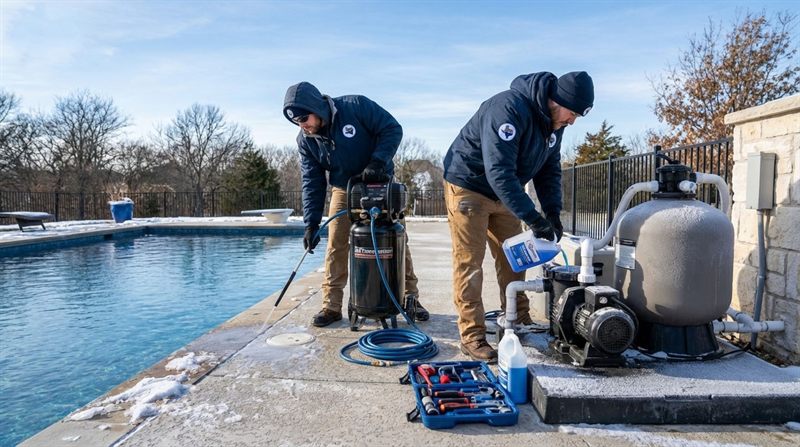
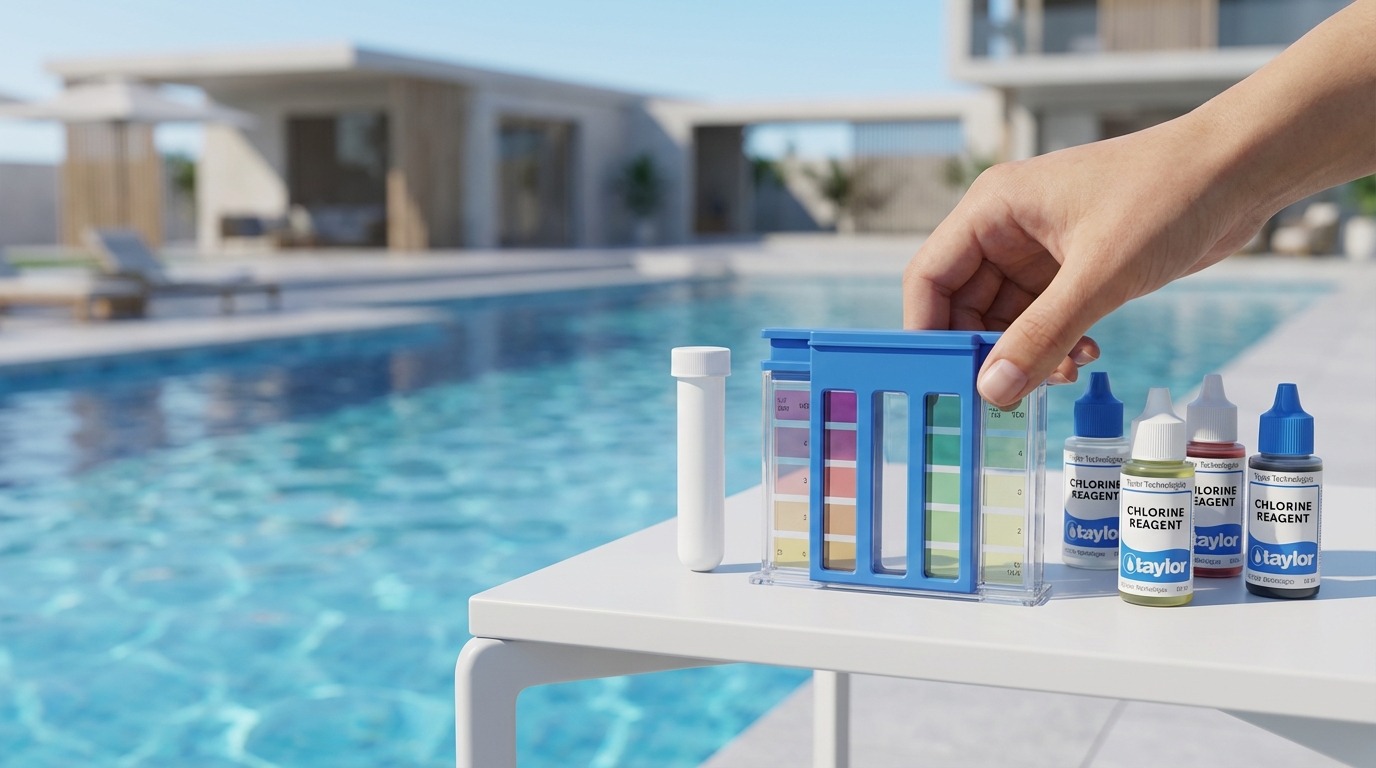
Traditional chlorine pools require you to manually add chlorine — usually in the form of tablets, liquid, or granular chlorine — on a regular basis. You test the water, adjust the levels, and maintain the chemical balance yourself or through a pool service company. It's the system most people grew up with, and it works well when properly maintained.
Saltwater Pools
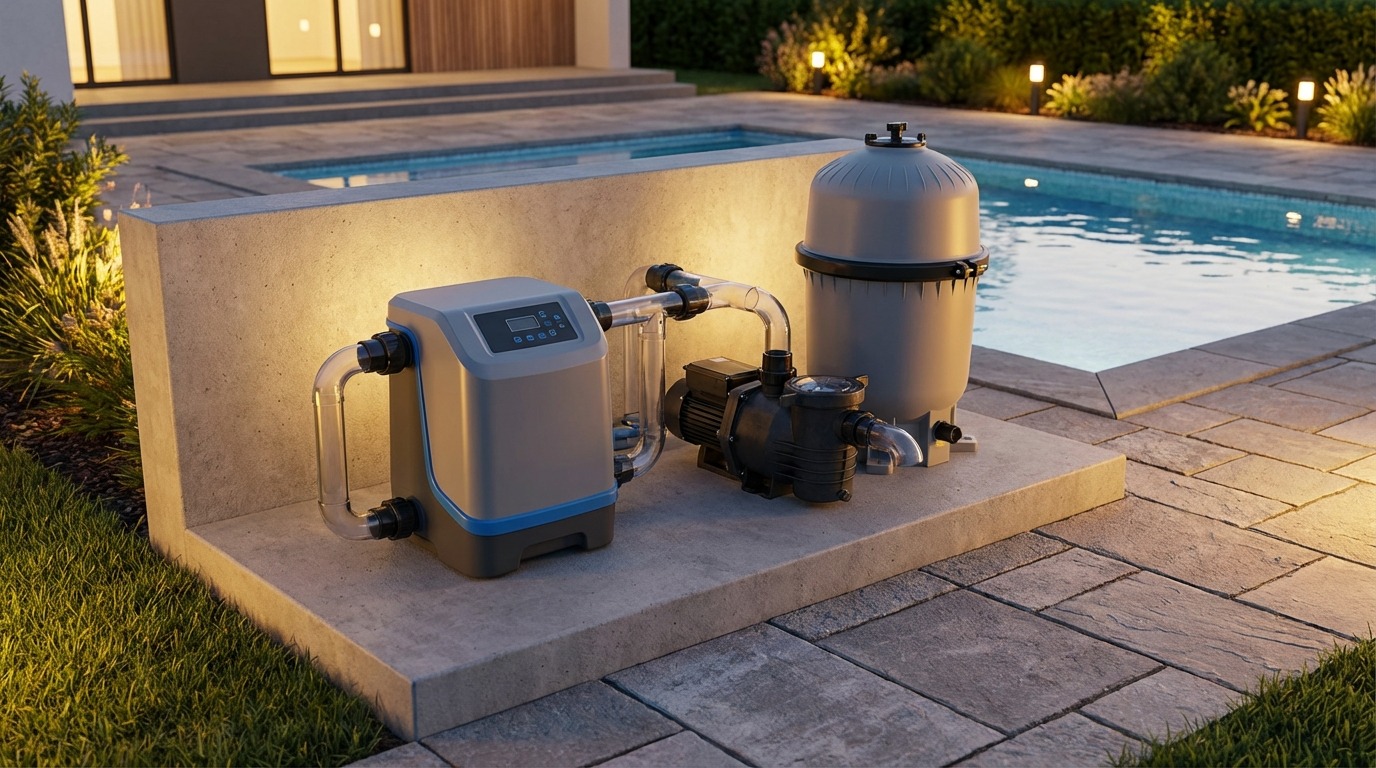
A saltwater pool uses a salt chlorine generator (also called a salt cell) to convert dissolved salt into chlorine automatically. The salt concentration is about one-tenth of ocean water — you barely taste or feel it. The key thing to understand: saltwater pools still use chlorine. They just produce it on-site instead of requiring you to add it manually.
Popular salt chlorine generators include Pentair's IntelliChlor, Hayward's AquaRite, and Fluidra's Jandy TruClear — all of which we install and service.
Pros and Cons of Saltwater Pools
Pros:
- Softer water feel. The dissolved salt gives the water a silky, smooth feel that most swimmers notice immediately.
- Less chemical smell. No harsh chlorine odor on your skin, hair, or swimsuits after swimming.
- Lower ongoing chemical costs. You buy pool-grade salt instead of chlorine products — salt is significantly cheaper over time.
- Gentler on skin and eyes. Less irritation for swimmers with sensitive skin or allergies.
- Less hands-on maintenance. The generator produces chlorine automatically, so you spend less time testing and dosing.
Cons:
- Higher upfront cost. A salt chlorine generator adds $1,500 to $3,000 to your equipment package.
- Salt cell replacement. Salt cells typically last 3 to 5 years and cost $500 to $800 to replace.
- Corrosion risk. Salt can be corrosive to certain metals and stone materials if water chemistry isn't properly managed.
- More complex equipment. The generator adds another component to maintain and eventually repair.
Pros and Cons of Chlorine Pools
Pros:
- Lower upfront equipment cost. No salt cell or generator to purchase.
- Simpler system. Fewer components means less that can break down.
- Decades of proven reliability. Chlorine sanitation is well-understood and universally supported.
- Widely available supplies. You can buy chlorine at any pool supply store or hardware store.
Cons:
- Regular chemical testing and dosing. You need to stay on top of chlorine levels — typically weekly or more.
- Stronger chemical smell. That classic "pool smell" is more pronounced, especially in enclosed areas.
- Can irritate skin and eyes. Higher chlorine concentrations can cause dryness, redness, and irritation.
- Ongoing cost of chlorine products. Tablets, shock, and stabilizer add up — expect $50 to $100+ per month during swim season.
What Most North Texas Homeowners Choose
The honest answer: most of our clients building custom pools in the $80,000+ range go with saltwater. The convenience and water feel are the biggest drivers — once homeowners swim in a saltwater pool, it's hard to go back to traditional chlorine.
That said, chlorine systems are still a great choice for budget-conscious builds, homeowners who prefer simplicity, or situations where the existing equipment pad makes a salt retrofit impractical. There's no wrong answer here — both systems will keep your pool clean and safe.
If you're building new, we typically recommend saltwater. If you're on a tight budget or prefer a simpler setup, chlorine works great. Either way, our team can help you choose and install the right system.
See Both Systems in Person
Not sure which you prefer? Come visit the Prestige showroom at 15550 Preston Road in Frisco. We have working examples of both saltwater and chlorine systems, and our team can walk you through the differences so you can make an informed decision.
If you're ready to start planning your pool, schedule a free consultation or explore your financing options to get the process started.
Frequently Asked Questions
Is a saltwater pool actually free of chlorine?
No. Saltwater pools still use chlorine — they just generate it differently. A salt chlorine generator converts dissolved salt (sodium chloride) into hypochlorous acid, which is the same active sanitizer in traditional chlorine. The difference is that the chlorine is produced continuously at lower, more consistent levels rather than being added in periodic doses.
Does saltwater damage pool equipment?
It can if water chemistry isn't properly maintained. Salt is naturally corrosive to certain metals (like aluminum and some grades of stainless steel) and can damage soft stone like limestone coping. However, modern pool equipment from brands like Pentair, Hayward, and Fluidra is designed to work with saltwater systems. Proper water balancing and regular maintenance prevent corrosion issues.
Can I convert my chlorine pool to saltwater?
Yes. Converting an existing chlorine pool to saltwater is a common upgrade. It involves installing a salt chlorine generator on your equipment pad and adding pool-grade salt to the water. Most conversions cost $1,500 to $3,000 depending on pool size and the generator you choose. Our service team handles saltwater conversions regularly.
Which system costs less over 10 years?
Saltwater typically wins on long-term cost despite the higher upfront investment. Salt is much cheaper than chlorine products, and the reduced chemical maintenance saves time and money. Over a 10-year period, most saltwater pool owners spend $3,000 to $5,000 less on chemicals and maintenance compared to traditional chlorine — even after accounting for one or two salt cell replacements.